
Washable wallpaper is one of the most requested solutions for kitchens today, but the word "washable" gets used loosely: not every wallpaper on the market actually deserves that label, and using the wrong one behind the stove or the sink means watching it get ruined within months. This guide covers which types are genuinely suited to the kitchen, where to use them, and how to keep them looking good over time.
Looking for the right washable wallpaper for your kitchen? Browse Ambientha's collections — all available on washable supports.
What "washable wallpaper" actually means (and why not all of it is)
A wallpaper is considered washable when its surface is treated with a coating that lets you wipe away dirt and stains with a damp cloth, without damaging the pattern or the backing underneath. But being washable in general isn't enough for a kitchen: you need a support designed for humidity, steam, and grease splashes too — very different conditions from a living room or bedroom wall.
Among the materials available for a modern wallpaper, the kitchen rules out anything with a traditional paper base and narrows things down to:
- LIVING, non-woven only: breathable but not washable, suited to bedrooms, not kitchens
- PRO, vinyl-coated non-woven: washable, but not resistant to continuous humidity
- Fibreglass: washable and the only support genuinely resistant to humidity — the right choice for kitchens and bathrooms
This distinction is the foundation for everything else: choosing the wrong material is by far the most common reason a kitchen wallpaper peels, stains permanently, or bubbles in the most exposed spots.
Vinyl or fibreglass? How to choose based on the wall
Which of the two washable materials to use depends on the wall you're covering and how much humidity it will actually face:
- Kitchen entrance: vinyl wallpaper
- Behind the dining table: vinyl wallpaper
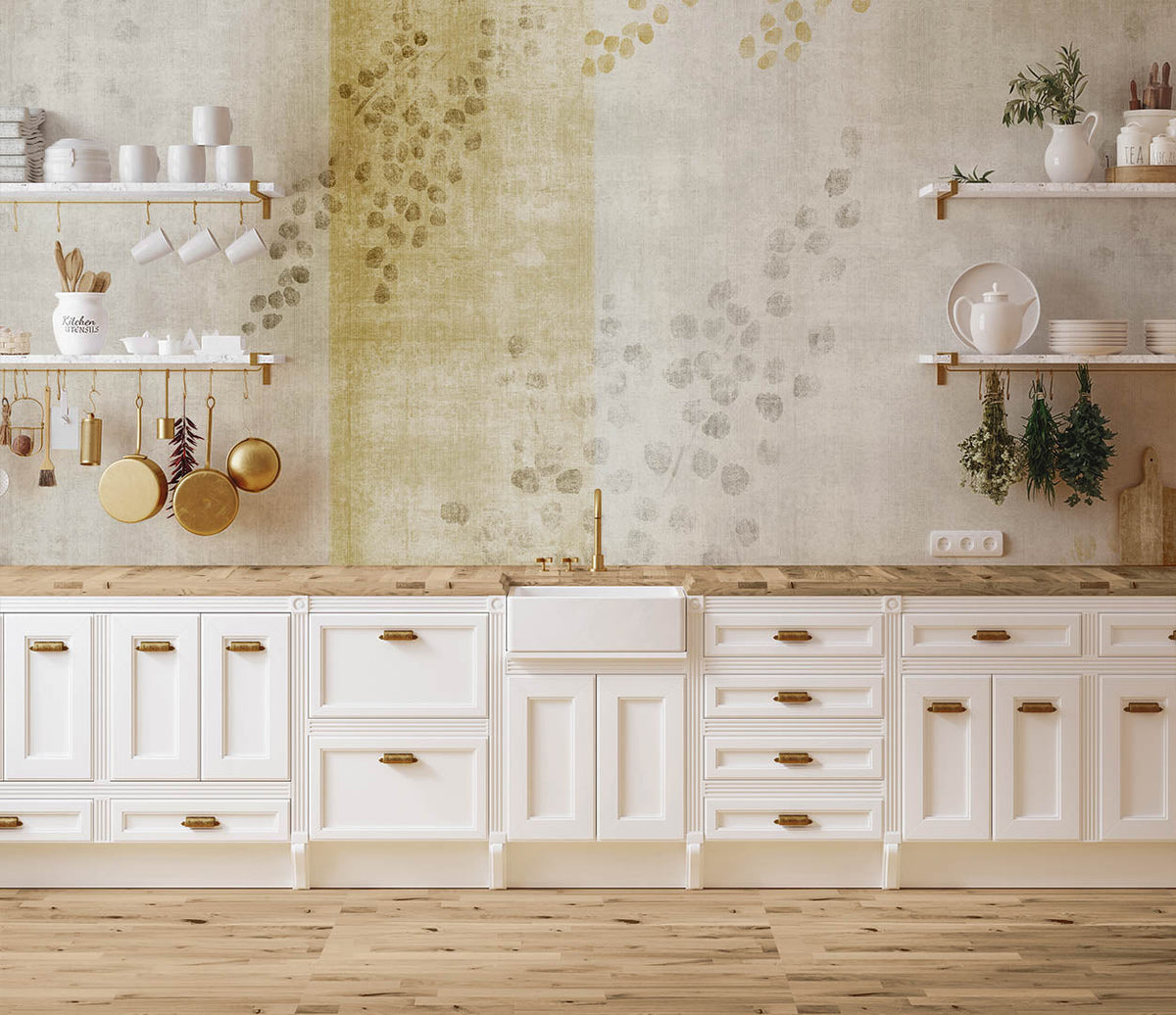
- Backsplash (behind the stove and sink): fibreglass wallpaper
Vinyl wallpaper handles foot traffic, knocks, and stains well, but it isn't built for continuous moisture — it's a great fit for "passage" walls in the kitchen, not the cooking zone itself. Fibreglass, on the other hand, is the only support designed to withstand steam and water splashes continuously, which is why it's the right call for the backsplash.
How to clean washable wallpaper in the kitchen
On vinyl wallpaper, everyday dirt and stains come off with just a soft cloth and water. For tougher marks, doing it the right way matters — watch our video on how to remove stains from vinyl wallpaper without damaging the surface.
Fibreglass cleans just as easily with water and a neutral soap, provided the correct protective treatment has been applied (see below) — without that step, even fibreglass loses part of its resistance to stains and moisture.
Want to test the material yourself before deciding? Order samples of Ambientha's washable wallpapers.
Protecting the backsplash: the treatment fibreglass wallpaper needs
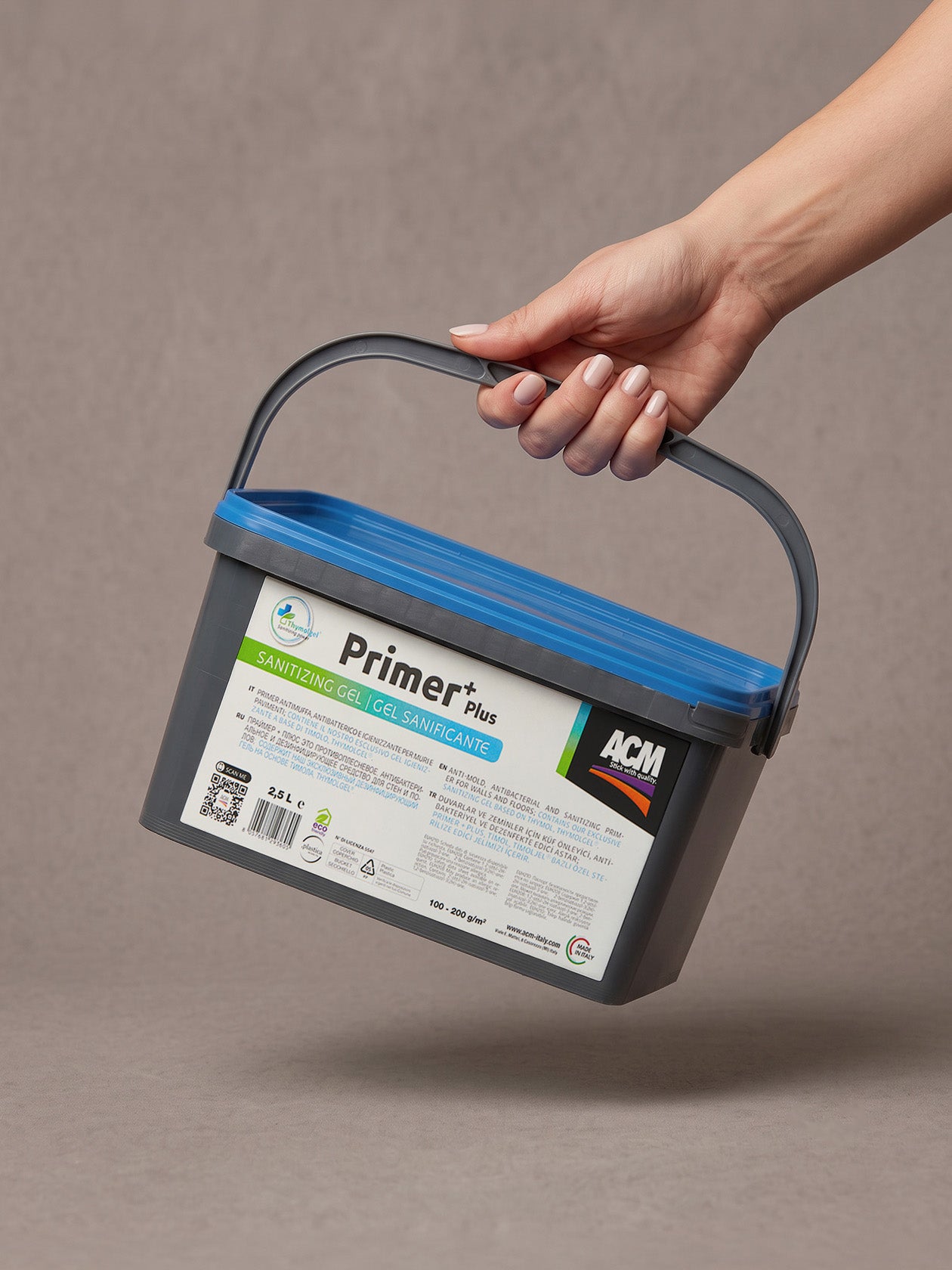
To genuinely protect the most exposed areas — behind the stove and the sink — fibreglass wallpaper should always be paired with a complete waterproofing treatment (the so-called Wet System), supplied as a kit sized to your project's square meters and applied by a professional decorator during installation. Sticking to the manufacturer's recommended installation and drying times is essential for the covering to last.
The same surface resin treatment can also be applied to vinyl wallpaper, adding extra protection to a surface that's already washable and impact-resistant — particularly useful in the busiest passage areas.
How long does washable kitchen wallpaper last?
With the right material for each area (vinyl for passage walls, resin-treated fibreglass for the backsplash) and routine cleaning with a soft cloth and neutral detergent, washable wallpaper keeps its colour and surface intact for years, even in the areas most exposed to steam and splashes. Most durability issues come down to one avoidable mistake: the wrong material for the wall, or skipping the protective treatment where it's needed.
Wallpaper or other alternatives to kitchen tiles?
If you're still weighing wallpaper against other materials (porcelain stoneware, resin, stone, glass...), we've put together a full comparison in our guide to kitchen tile alternatives.
Frequently asked questions
Is wallpaper actually washable in the kitchen?
Only if it's the right support: vinyl-coated (PRO) or fibreglass. Traditional paper-based wallpaper and non-woven-only supports (LIVING) aren't washable and shouldn't be used in a kitchen.
What wallpaper is best for a kitchen backsplash?
Fibreglass wallpaper combined with a waterproofing treatment is the only solution genuinely suited to the backsplash, since it's the sole support built to withstand continuous steam, heat, and water splashes.
Is vinyl wallpaper waterproof?
It resists knocks and occasional stains well, but it isn't designed for continuous exposure to moisture — so it's suited to passage walls (entrance, dining area), not the backsplash itself.
How do you clean vinyl wallpaper without damaging it?
A soft cloth and water are enough for everyday marks. For tougher stains, gentle, non-abrasive cleaning is key — check our video guide before using any stronger product, since scrubbing too hard can damage the surface.